Hot Chocolate
Small-Counter Hot Chocolate Service That Stays Calm After the First Cup
A compact hot chocolate setup stays reliable when the flow is fixed, the reset is short, and each drink follows the same service order instead of improvising.
By 7:40 PM, guests are already asking for cocoa and one of the kids is waving a mug with whipped cream still on top from the last pour. The first batch tasted great, the counter looked calm, and then the rhythm started to drift. It is not the chocolate itself that makes things feel rushed. It is usually two missing rules: unclear flow and unclear handoff between drink making and reset.
Small counters fail fast when there are too many small choices. One person says less sugar. Another wants marshmallow topping. A third asks for milk foam. If your system has not already decided who heats, who stirs, and who resets, guests see delay more than delight.
Build a two-tool flow for busy cups
For compact hosting, think in this order: make the drink base, add the milk layer, serve, then reset the tools. Do not think in long task chains. You only need one consistent order that every repeat guest can feel without reading instructions.
Step 1: pick one hot chocolate system
See the Velvetiser system on Amazon if you want one unit built for hot and cold drinking chocolate, because the flow stays simpler when the same appliance handles most of the chocolate work. The bigger reason is reliability. When a team has one tool with one purpose, cleanup and timing become repeatable after two test cups, not five.
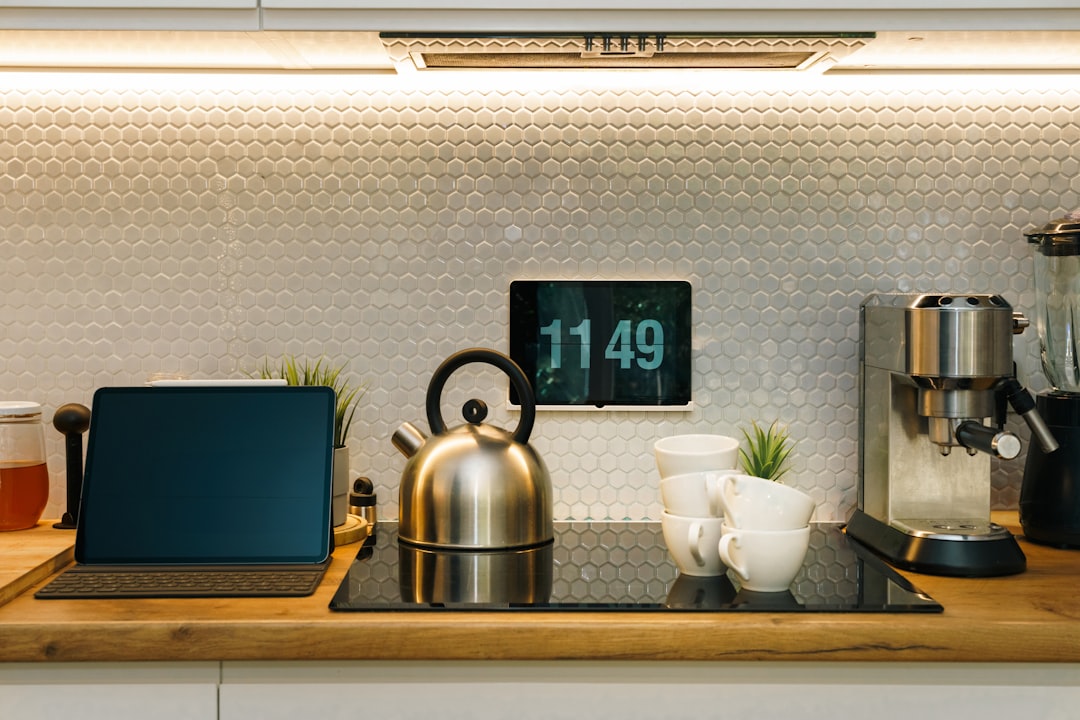
Use the Arofeer 1.7L electric kettle on Amazon as the support tool for replenishing water and running hot-water-heavy service moments. That large capacity helps when cups move quickly, and it gives you a predictable fallback when service demand rises.
Choose the first hour rhythm before choosing accessories
Most people spend time picking features before they set limits. Try this instead:
- Set an opening batch target: how many drinks in the first 40 minutes.
- Set a container count on the counter: one chocolate container, one milk container, one waste cup area, one rinsing area.
- Use one milk texture baseline for your first six drinks and do not change the method until the clock says you must.
- Clean only touched surfaces after every three drinks.
If the batch target is met before the first reset, you are likely in control. If not, the issue is usually timing, not equipment.
How to pick between hot chocolate makers for a narrow station
A compact setup should choose based on station behavior, not on the number of buttons in an app-like setup. For most counters, these checkpoints matter more than marketing copy:
1) Predictable serving pace
Ask three friends to ask for different styles of cocoa and compare how much interruption is needed between each drink. A system that resets in the same way each time can be slower by a few seconds yet still faster overall because there is less backtracking.
2) Transfer distance
Keep one path from base container to cup rim and one path to waste disposal. The best flow is one where neither path crosses another path. If tools cross, so do your priorities.
3) Reset ease after sweet toppings
Chocolate can move from drink cup to counter edge without asking permission. A short wipe ritual after each round matters more than a special cleaning gadget if you host regularly. Wipe rim edges first, then remove sticky residue with a quick hot-rinse pass, then reset cloth only if it is visibly soiled.
Do not skip this order. The wrong order creates recurring smears and makes every drink feel like a rebuild.
Hosting plan for 8 cups, one counter, four guests
Here is a practical rhythm you can run on a Friday evening:
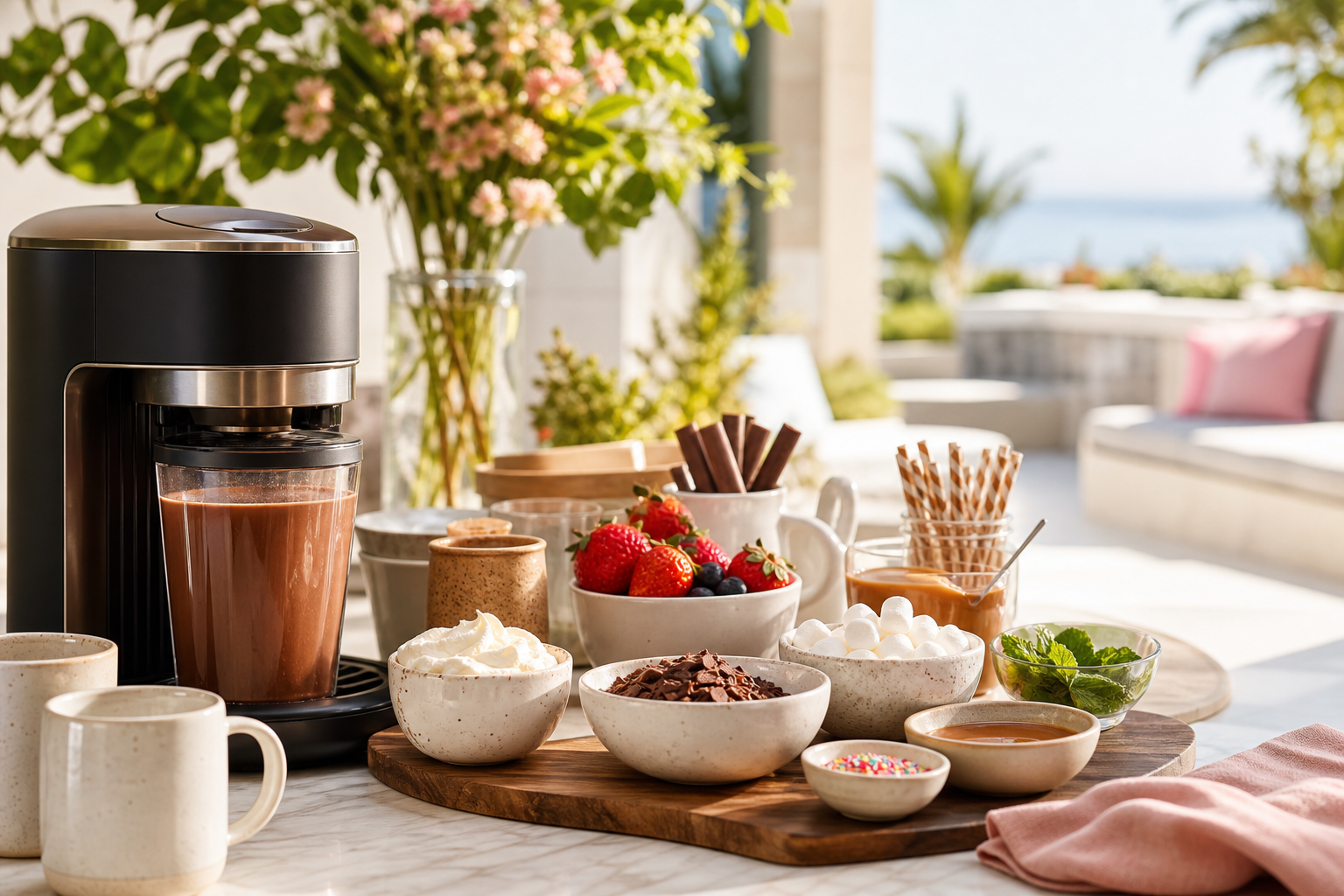
- Start with the Velvetiser and a single serving jug filled for two drinks.
- Prepare all toppings and spoons before the first pour.
- For each cup, move through the exact same three actions: heat, mix, serve.
- After every second cup, check temperature and cup depth only once.
- Reset with a 60-second wipe and a rinse cycle every three cups.
This rhythm is intentionally simple. It is not fancy, but it is reliable. On an active night, reliability beats novelty.
Why small counters rarely need more than two active devices
Many hosts add extra gadgets too early. The result is usually more cleanup, not more consistency. If the system already has one dedicated chocolate maker, a second heater often works only when one person is managing only one drink style for an entire hour. Once styles change, complexity grows quickly.
If your event has changing orders, the kettle above supports volume while the maker focuses on quality. That split is easier to train for and easier to reset. It also keeps cleanup predictable because one surface mostly handles chocolate work and one surface mostly handles water work.
Mini-size your ingredient station, not your taste
It is easier to keep flavor control if you keep one serving ratio template for each sugar level and store it in a small note. For example, a low-sugar version and a full version can use the same base recipe with smaller milk adjustments. Guests remember consistency more than ceremony.
For a first pass, make three notes:
- Base recipe volume per drink.
- Milk topping amount each taste profile uses.
- Reset cue: a visible signal to begin wiping and moving tools.
Each note should be short enough to say aloud during service. If you need a paragraph to explain it, simplify.
Where hosts usually lose flow
Most breakdowns happen in tiny moments. The timer is off by two minutes. A milk jug is moved two inches farther away. A topping spoon is left on the floor. None of these are major problems alone. Together they build confusion.
Build your routine this way instead:
- One cup station lane for finished drinks.
- One clean-lane lane for resetting equipment.
- One final check before the next cup leaves the counter.
When those lanes stay separate, your station quality stays the same even as guests ask for last-minute choices.
How to decide if this setup is still worth it
After each hosting night, answer three questions:
- Was the flow repeated exactly the same for at least four drinks?
- Did cleanup take longer than 7 minutes after the last drink?
- Did the reset ritual prevent sticky carryover into the next drink?
If you miss two of three, keep the same tools for one more session and only change the routine. Most posts that fail the first month fail because the routine changed too quickly.
Final checks before you buy
When you are ready, check live details on each product page, including current price and stock. Confirm any return preference and warranty wording before you add the final click. The two links above cover the core setup. The best setup is the one that your counter can run consistently, even after photo day.
If you only remember one sentence, this is it: small counters win with fewer decision points, one simple hot chocolate route, and a short reset every few drinks.