Buying Guides
Keep Milk Texture Predictable on One Counter for Coffee and Cocoa
Small counters fail when texture rules are improvised. This guide uses a steady service sequence, a compact product shortlist, and practical reset habits to keep cappuccinos and hot cocoa consistent across a full evening.
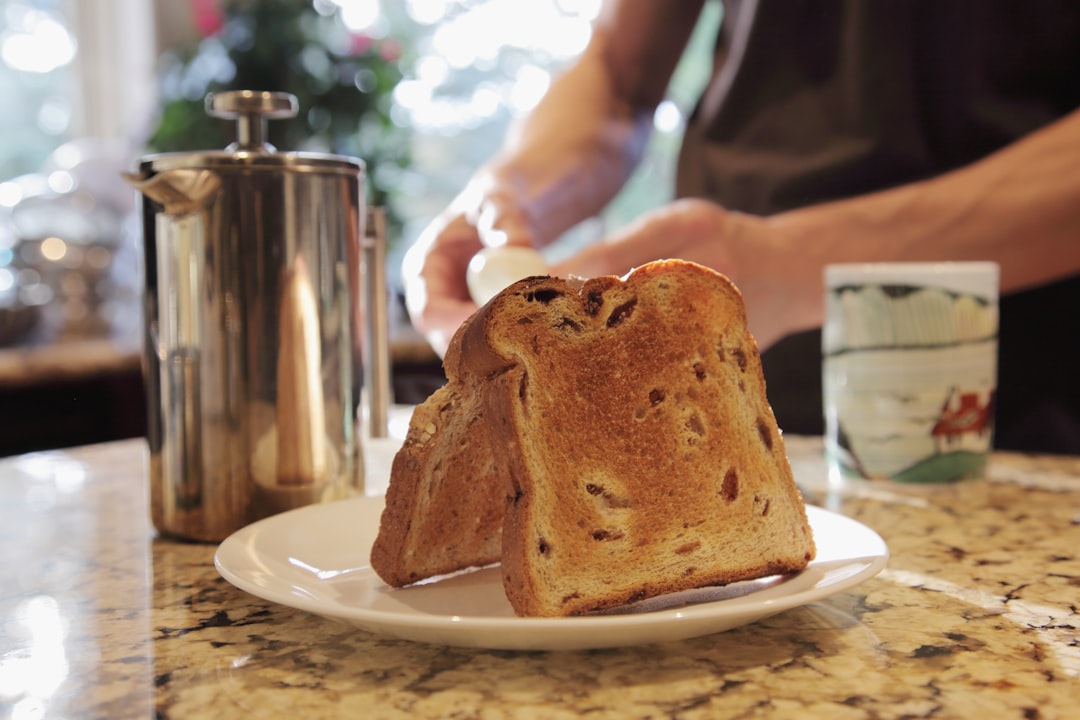
At 7:40 p.m. on a crowded Friday night, your counter can feel like it is running a tiny machine. Two guests want a cappuccino each with a creamy top, and a third requests cocoa at exactly the same time. You already heated milk, pulled milk twice, and now one cup tastes flat. The kitchen is not broken. The sequence was.
Small counters punish improvisation. If you are serving both cappuccino texture and hot cocoa texture on one surface, your goal is not perfection from scratch. It is predictable texture every round. That means deciding, before the first cup goes out, the exact order in which heat, milk, and mixing happen.
Why texture swings happen before the kettle boils down
Most inconsistency comes from two assumptions:
First, that one tool can solve every drink style equally well. Milk that works for a cappuccino is not always the same as milk that reads as rich in cocoa. The frothing pattern, target temperature, and time in heat matter. If you switch styles without resetting your method, you get one drink in, one drink out.
Second, that every kettle behaves like a straightforward boil-and-pour machine. In practice, even small changes in water temperature and timing alter how milk drinks together in the same vessel. If one guest gets cocoa at 165 F and the next at a much cooler pour, the cocoa texture changes before either person tastes it.
Start with a shared objective, not a shopping wishlist
If your evening includes both milk foam and hot drink service, define one objective: consistency first, speed second. This helps you keep a steady flow when the room fills quickly. The first thing most people skip is deciding whether they are buying for volume, for texture, or for cleanup comfort. You need to pick one primary use case.
For compact stations, this is a useful starter set:
See the Nespresso Aeroccino 3 on Amazon. It is a straightforward, established milk frother setup where single-button operation helps when you are juggling multiple drinks.
See the COSORI temperature-control kettle on Amazon. The preset profile approach can help if you are trying to hit repeatable brew temperatures in a small loop.
See the Hotel Chocolat Velvetiser on Amazon. If your guest list includes dessert drink seekers, this type of machine can reduce the back-and-forth you usually do with a pan.
Use these links as options, not promises. Product pages can change, and current pricing, ratings, or stock are not guaranteed. Confirm live details when you place an order.
Build your station sequence like a short playbook
When you are running one counter for different drink styles, the sequence below is usually easier than trying to remember ten micro steps.
Begin by loading the milk line only after the temperature order is set. If you are serving cappuccino first, froth first and cool quickly. If cocoa comes next, treat milk and chocolate separately so you are not carrying old foam into a sweeter drink. If cocoa comes first, you can move to cappuccino without forcing the same foam target.
Next, map your water path in one path only. Keep one kettle on the counter and one filling vessel. Avoid moving hot water through extra containers. Multiple containers cause temperature loss and encourage accidental overmixing.
Finish each round with a visible reset checkpoint. Not a full cleanup, just the same three checks:
- Rim edge is clear of milk film.
- Whey frother bucket is free of clumps.
- Next drink size is filled and counted before the next heating cycle.
How to run mixed rounds without stress
If espresso is on top of the run order, do this:
Pull the first milk charge for cappuccino only. Steam or froth to your normal texture and pour before moving to cocoa tools. If a later guest asks for cocoa, use the next milk batch and keep the cup style lower in temperature. The cocoa machine or kettle then gets the same fresh milk base, not reused foam. This feels slower at first, because you are giving each drink a clean entry point.
If cocoa is first, flip the same sequence. Make cocoa first, keep milk reserved, and reserve your strongest texture for cappuccino. Trying to run both on one warmed milk pot is where texture drift starts.
In both cases, your counter should always stay in one of two states. Either you are in a build state, with kettle and frother active, or you are in a reset state, with all transferware ready for the next request. Avoid the third state. That middle state is the one where inconsistency hides.
Where most one-counter plans fail
The most common failure is over-optimizing for the first guest. If the first cappuccino looks like a bar, people notice that. If round two tastes thin, no one says anything. Round three is where habits show. You need a system that protects round three, because that is when guests start comparing cups.
Another common failure is stacking every task at once. Keep hot beverage prep in batches you can predict. Do not pour everything, then clean everything, then serve everything. That pattern creates temperature drift and a backup line at the finishing edge. Instead, choose a fixed mini-cycle, serve, reset, repeat. Even ten cups feel manageable in this rhythm.
Simple trade-off choices before you buy more tools
Sometimes the clean solution is not buying more tools. It is buying fewer and using them in a better sequence. If your counter needs a bigger milk volume than your frother handles, a bigger model or a second model can help. If your stress comes from cleanup, choose detachable parts and smaller capacity cycles, not bigger capacity capacity for novelty. Most readers find that a smaller machine with a direct schedule serves more guests than a bigger machine with a fuzzy schedule.
If your routine includes both hot cocoa and milk drinks, also check counter space honestly. Wide tools look easy on day one and create a crowded zone by hour three. The compact shape plus predictable sequence usually beats brute power for small stations.
Safety check that protects the whole routine
Small counters can make hot-water routines feel tense. If a hot edge is hard to manage, slow your pace a little and reset before the next pour. Keep spills in a catch zone, not on the serving lane. Never leave a kettle or milk station unattended between rounds. If your station design includes children nearby, keep handles and cords off the pathway and check one hot surface before you refill.
When you notice a texture complaint, treat it as a sequence issue first, then a hardware issue. If one frother output is inconsistent, swap sequence before replacing tools. If one kettle keeps overshooting, check your preset and preheat pattern before changing every part in your kitchen.
Quick close and a steady setup for tonight
Before your next Friday night drink run, do a final one-minute rehearsal. Line up cups by drink type, run one dry cycle with your chosen order, and write down your reset step. If guests walk in and ask, you can repeat your sequence instead of thinking from zero. The better result is not a glamorous countertop, and it is not a premium gadget. It is the boring comfort of knowing what happens in round two, three, and ten.
Most importantly, check each linked product page for live details before you commit, and confirm that the price, availability, and safety notes match your household use before checkout. A good routine is reusable. A bad routine is forgettable.