Tea And Kettles
Build steady tea and cocoa service with one kettle and three clear temperature zones
Treat temperature presets as part of your service rhythm and your tea, cocoa, and espresso night stops feeling improvised every time the guest list grows.
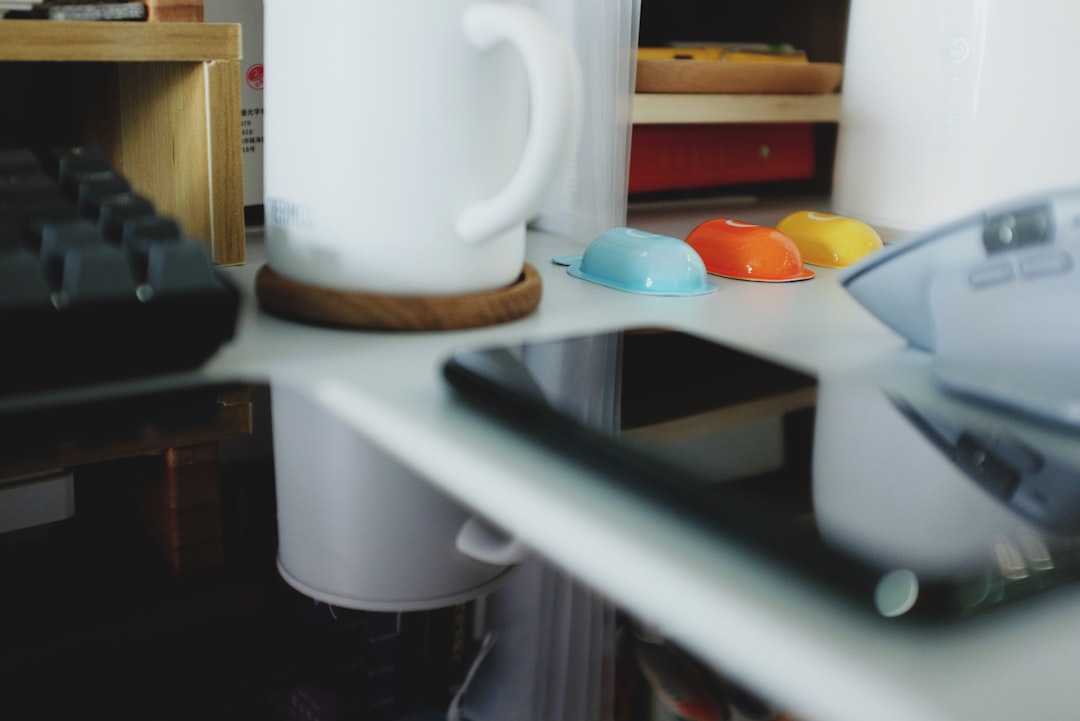
At 7:00 PM, one guest asks for a strong English Breakfast tea while another wants a cocoa drink in the same hour. The kettle is not your problem. The order is. When temperature targets drift between recipes, each drink starts from a different baseline and the whole routine gets louder.
Most people solve this with more tools. The easier upgrade is a shared playbook. One kettle can still serve both tea and richer milk drinks if you define three target zones and keep every pour inside those zones.
Choose a service map, not a random recipe list
Your first decision is to define three uses for your session: hot tea, hot chocolate, and milk finishing. Write these on a sticky note before the kettle turns on.
- Tea zone: hold a lower, repeatable heat target for leaf teas and herbal blends.
- Cocoa zone: a medium-high heat range for dissolving cocoa and mixing cups quickly.
- Milk zone: the warmest hold for milk tools so foam texture does not collapse between drinks.
That map prevents last-minute debate when a friend asks for a second drink and the kitchen has only one active cycle left.
Choose one kettle around your true use profile
If your kitchen serves short rounds, a compact 1L or 1.1L model can be enough. If the room gets rolling, a 1.5L to 1.8L kettle helps you recover heat between rounds without switching setups.
Chefman Electric Kettle with Temperature Control gives a dependable base here, because it supports controlled settings while keeping an easy interface for fast turnarounds. For tea-heavy nights with infuser use, this model can reduce overboil churn without asking you to watch every second.
Elite Gourmet EKT3001 Digital Water Kettle is a useful second option when your session needs a tighter hold and auto shutoff habits between rounds. It is less about power on paper and more about predictable control when the counter moves from one drink style to the next.
Build your serving flow around the kettle behavior
Use this sequence for every host window:
- Pick the first drink family and set the exact zone in advance.
- Heat only the amount of water needed for the next two servings.
- Move every other heat source away until the kettle starts the next cycle.
- Rinse or wipe only the touched parts once the pour is finished.
- Reset and verify the next zone before the next order is spoken.
This keeps the flow calm because every action connects to a specific step. The room is noisy when sequence is unclear, not when tools are limited.
Match one milk step to your chosen zone
Even with a strict kettle routine, milk texture can fail if your frothing step is too long or too cool at transition points. A compact milk tool that can warm and foam quickly is easiest to coordinate in a one-kettle flow.
Large Electric Milk Frother and Steamer works well here because it can move from cocoa style texture to warm milk finish without adding a separate machine cycle. That matters on busy nights because your reset rhythm can stay short.
How to avoid the common carryover mistakes
People get the first, second, and third drink almost right, then lose the whole sequence on the fourth because residue has been carried over. Sugar dust, milk film, and mineral buildup change taste profile faster than most people expect. A short habit list helps:
Keep the reset short and fixed. Wipe rim contacts with warm water, then return the kettle and steamer parts to a stable area. No long debates, no optional steps.
Separate water and milk zones physically. Keep your hot water pitcher and milk bowl in different corners. This protects consistency even when the room changes tempo.
Measure once, then repeat. Write your three-zone targets after two test cups. If your first tea is weak, adjust only zone one. If chocolate clings and dries, adjust zone two after two batches, not every batch.
Pick based on your apartment rhythm, not review headlines
Traffic peaks define what to buy more than any feature list. If guests come in bursts, choose a kettle that returns to stable heat without long dead time. If you serve steady but moderate rounds, choose a model with easier preset recall and safer handling.
As a steady baseline, start with one kettle and one milk tool. Add a second kettle only if you can prove that overlapping tea and cocoa queues need more than one container size to keep consistency smooth.
What to check after one week
Run this short review at week end:
- How many times did the water target drift. If more than two times, simplify the zone language.
- Did milk texture change after each cocoa session. If yes, keep the same frother timing, not another machine.
- Was cleanup rushed. If yes, reduce the number of vessels in rotation, not the number of drinks.
- Which of these three catalog links still fit your routine. Keep only the one that repeats with your style and confirm all details directly on the retailer page before purchasing.
If those checks are clean, your system is working. If not, reduce variety and keep one clear flow. Guests notice flavor consistency and calm pacing more than gadget complexity.
Closing notes
This is not a promise that one setup fits every counter. It is a method for smaller kitchens to stay dependable with tea, cocoa, and milk finishes without adding chaos. Make the zones specific, keep the sequence short, and confirm current price and availability directly on the retailer pages. Your counter will feel calmer not because there is less to do, but because the order of tasks is no longer improvised.